


Alexion - Aiguebelle monastery
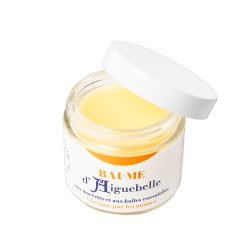
Baume d'Aiguebelle - muscle and joint well-being
Breathing herbal tea - Aiguebelle Abbey

Circulatory herbal tea for heavy legs - Aiguebelle
Herbs of Provence from Notre Dame d'Aiguebelle Abbey
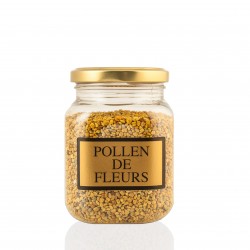
Pure pollen - Abbaye d'Aiguebelle - 100% Natural
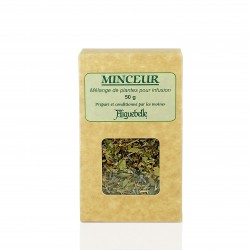
Slimming herbal tea - Elimination and well being
The "beautiful waters" of the Drôme Provençale
On 26 June 1137, an abbot and twelve monks arrived from Morimond, in Champagne, one of the first daughter houses of Cîteaux. They settled on the border between the Dauphiné and Provence, in a valley where three streams meet. The place took the name Aiguebelle, the "beautiful waters". The Cistercians loved remote places, but never without water!
Gifts from the neighbouring lords quickly enlarged the estate, which reached as far as the Gerbier-de-Jonc, in the Ardèche. The grange nearest the abbey even grew into the village of Montjoyer. Then hard times came: the ravages of the Hundred Years' War, outbreaks of plague, and from the 16th century abbots appointed by the king, who did not live with their monks. In 1791, when the Revolution scattered the community, only three religious were left. The abbey was looted, then sold. Yet its isolation saved it from demolition. It has therefore kept most of its medieval buildings, including a real rarity: the original lay brothers' lane, which only Fontfroide Abbey still has in France.
1815: the great return of the Trappists
The monastery stood empty for less than twenty-five years. In 1815, Trappists who had taken refuge in Switzerland, heirs of the monks of La Trappe who had been hounded across Europe, bought the site back. They found a church turned into a cowshed and a cloister full of manure. Never mind: by 1850, there were 233 monks!
All those people had to be fed. The brothers farmed, raised livestock, and made rosaries, brooms, wicker baskets and even cloth. Then chocolate became Aiguebelle's flagship activity. It employed so many workers that the factory was moved to Donzère in 1895: a monastery is first and foremost a place of silence. Being rather fond of sweet things, we do miss that chocolate a little...
Aiguebelle also founded new houses: in Algeria from 1843, at Les Neiges in the Ardèche, where Charles de Foucauld would stay, at Acey in the Jura, and as far as Cameroon. Notre-Dame de l'Atlas, the community of Tibhirine, comes from its lineage. Brother Luc, one of the seven brothers murdered in 1996, had done his novitiate at Aiguebelle, and a memorial to them stands at the abbey. During the Second World War, the monks secretly made false papers for young men refusing forced labour in Germany and sheltered refugees, among them Jews.
The brothers' workshop: Alexion, balm and lavandin
The community is much smaller today, but it still follows the Rule of Saint Benedict: prayer sets the rhythm of the day and the work of their hands keeps the house going. Around the monastery, the brothers grow fields of lavandin. In the workshop, they prepare their two specialities.
First, Alexion: an alcohol-free, preservative-free drink made from 52 plants. It includes green walnut husk, gentian, cinchona, myrtle, sage, cinnamon, lemon balm... Its frank, slightly bitter taste recalls the herbal aperitifs of the past. We serve it well chilled, in a small glass.
Then, the Baume d'Aiguebelle: a massage balm made with beeswax and essential oils of lavandin, thyme, rosemary, pine, eucalyptus and juniper. As soon as you open the jar, the whole Provençal scrubland fills the room. Massage it gently into healthy skin. It is for adults only, never during pregnancy or breastfeeding, and avoid the sun after applying it.
Herbal teas, herbs and pollen: a Provençal basket
The plants we offer are chosen and packed by the monks, sometimes with the help of lay people. Some come from France, others from further afield: our lemon verbena, for example, was grown in Morocco.
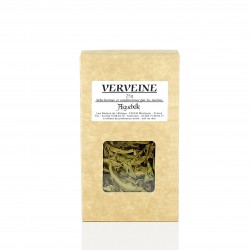
• Lemon verbena. Nothing but leaves, with a lemony scent. A cup at the end of the day, or a few leaves in a fruit salad.
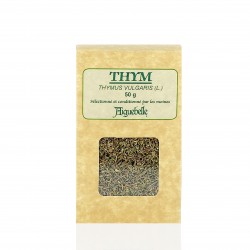
• Thyme. Just as happy in the teapot as in the casserole dish: grilled meat, ratatouille, marinades, bouquet garni.
• Herbes de Provence. The blend to keep by the cooker, for roast tomatoes, Sunday pizza or baked potatoes.
• Three herbal blends. The first combines lime blossom, hyssop, pine buds and peppermint. The second pairs bilberry, blackcurrant and red vine leaves with a touch of hibiscus. The third brings together maté, elderflower, spearmint and sage. Three very different bouquets, to drink hot or iced.
• Multifloral pollen. Harvested in France, with no colourings or preservatives, in small colourful pellets. A teaspoon on a yoghurt, in muesli or in orange juice, and breakfast brightens up.
• The right way to make herbal tea. One tablespoon of plants per bowl, very hot but not boiling water, five minutes of infusing, then strain.
From the Drôme to the Allier, one Rule
Between Aiguebelle and Chantelle there are a few hours of road and one shared Rule, that of Saint Benedict. Our brothers live from their plants, we live from our soaps and creams: each has its own workshop, but we share the conviction that work done well is already a prayer. By choosing their herbal teas or their Alexion, you help a small community keep welcoming guests and pilgrims to its valley. And you bring home a little Provençal sunshine, even in the middle of November!
Frequently asked questions
What is in Alexion?
A decoction of green walnut husk and extracts of 52 plants (gentian, cinchona, myrtle, sage, cinnamon, lemon balm, thyme, lime blossom...), with fructose syrup. It contains no alcohol and no preservatives. The monks make it themselves at the abbey.
Who makes the Aiguebelle products?
Alexion and the balm are made at the abbey, in the brothers' workshop. The herbal teas, culinary herbs and pollen are selected and packed by the monks. Depending on the plant, they come from France or from abroad.
How do I make the herbal teas?
Allow one tablespoon of plants per bowl. Pour on simmering water, leave to infuse for five minutes, then strain. Drink them hot in winter and cold in summer.
Is pollen suitable for everyone?
No: people who are allergic to pollen or to bee products should avoid it. If in doubt, ask your doctor for advice. Keep it tightly closed, somewhere dry and away from light.
Where is Aiguebelle Abbey?
In Montjoyer, in the Drôme Provençale, 18 km from Montélimar and 11 km from Grignan. The church, the Tibhirine memorial and the abbey shop are open to visitors. The buildings where the brothers live, however, are not open to the public.